Upgrade Your Celebration: Unforgettable Food and Beverage Services for All Occasions
Elevating an event through catering calls for careful consideration of multiple elements. The choice of catering method can significantly influence the overall experience. Developments such as engaging food displays and eco-friendly components are rising in appeal. Moreover, accommodating dietary requirements and maintaining financial boundaries are vital. Recognizing these considerations can turn an ordinary gathering into an unforgettable experience. That said, determining the right strategy and team is crucial for reaching the expected outcome. What steps should one take next?
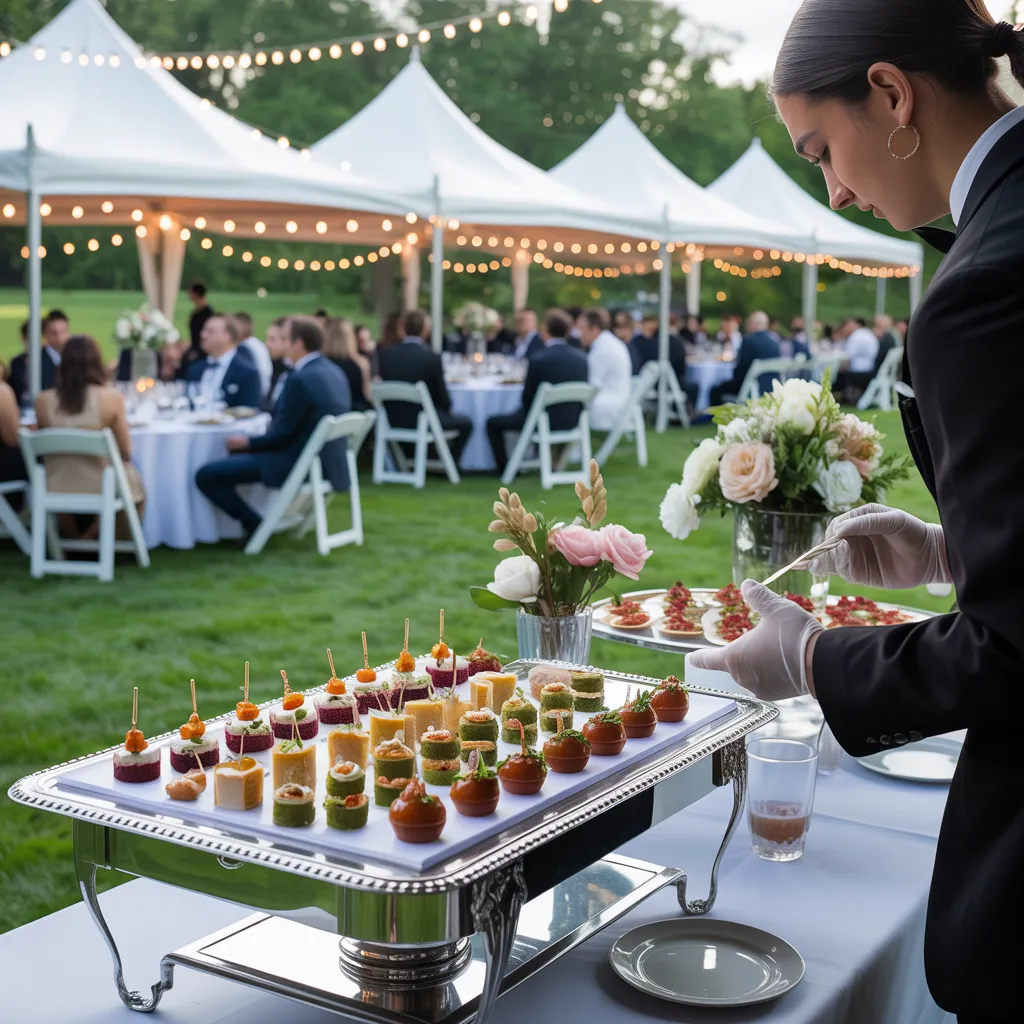
How to Choose the Perfect Catering Style for Your Event
When planning an event, how does one establish the ideal catering style? The selection copyrights on several factors, including the type of event, guest count, and venue. Formal occasions, such as weddings or corporate functions, frequently call for plated service, which offers an elegant dining experience. By comparison, casual events like social celebrations tend to favor buffet or family-style catering, fostering interaction and mingling among attendees.
A further aspect involves the dietary needs and limitations of guests, which necessitate a diverse menu that accommodates various needs. Moreover, the budget holds significant importance; certain catering approaches can be more economical than alternatives. Finally, the overall atmosphere desired should align with the chosen catering approach, whether it be formal or relaxed. In the end, understanding these elements helps coordinators identify a catering style that elevates the event while fulfilling both stylistic and operational demands.
Leading Catering Trends That Will Wow Your Guests
Contemporary gatherings are progressively adopting creative catering concepts that enhance the overall experience. One prominent trend is the reliance on participatory dining stations, giving guests the opportunity to tailor their food selections in live settings. This not only adds an interactive dimension but also promotes lively engagement across the crowd.
Sustainable and regionally sourced ingredients are growing in prominence, demonstrating a heightened consciousness toward ecological impact and healthy living. This shift not only improves culinary quality but also bolsters regional economies.
Furthermore, themed gastronomic adventures bring guests on a cultural voyage through distinctive flavors, generating lasting impressions through exceptional meals. Finally, the emergence of captivating aesthetic arrangements, such as artistic edible creations and colorful presentations, guarantees that every dish delights the senses visually as much as it satisfies the taste buds. Combined, these innovations define an extraordinary catering journey, forging memorable moments for guests while determining the spirit of the event.
How to Ensure Everyone's Dietary Requirements Are Satisfied
Addressing dietary needs at events requires early identification of restrictions to guarantee inclusivity. Providing a varied menu that caters to different preferences and needs is vital for the satisfaction of guests. Proper labeling of food items additionally helps prevent confusion and fosters a secure dining environment.
Discover Dietary Restrictions Ahead of Time
How can event organizers guarantee that every guest feels included and satisfied? Pinpointing dietary limitations ahead of time is crucial for reaching this aim. Before the event takes place, organizers ought to distribute invitations that feature a request for dietary needs and limitations. This anticipatory strategy permits them to obtain critical details and cater to a range of needs, encompassing allergies, intolerances, and lifestyle decisions like veganism or gluten-free nutrition.
Event planners may also want to consider creating a simple online form or survey to make the process more efficient. By gathering and organizing this information, they can assure that all guests are catered for, promoting an inclusive and welcoming environment. At the end of the day, proactively identifying dietary needs not only boosts attendee satisfaction but also demonstrates the organizer's dedication to careful and considerate planning.
Present a Wide Range of Menu Selections
Following the collection of dietary restrictions, event organizers can proceed by presenting a wide range of menu options designed to suit all attendees. A thoughtfully designed menu ought to feature vegetarian, vegan, gluten-free, and nut-free selections, ensuring that every guest feels included. By integrating an assortment of cuisines, organizers can cater to a range of palates while acknowledging dietary preferences and needs. The use of seasonal produce can boost the flavor and freshness of dishes, making them more enticing to attendees. Furthermore, offering a combination of starters, entrees, and desserts enables guests to savor a complete culinary journey. Collaborating with caterers who are experienced in accommodating varied dietary requirements can ensure that every guest's needs are addressed, fostering an inclusive environment that enhances the entire event.
Mark Food Items Clearly
What steps can event organizers take to guarantee guests are well-informed and comfortable with their food options? Proper food labeling is crucial for meeting dietary requirements. Organizers ought to employ informative signage that details ingredients and emphasizes prevalent allergens like nuts, gluten, and dairy. This level of clarity empowers guests to make well-informed decisions and reduces potential health hazards. Furthermore, color-coded labeling systems can make it easier to distinguish vegan, vegetarian, and gluten-free selections. Providing detailed descriptions on menus enhances understanding and encourages guest engagement. Organizers should also consider having staff available to answer questions about the food. By implementing these strategies, event planners can create a welcoming atmosphere where all guests feel confident in their food selections, ultimately elevating the overall event experience.
Designing a Custom Menu for Your Theme
Creating a customized menu for an themed event enhances the guest experience, ensuring that the food selections resonate with the event's essence. A thoughtfully designed menu captures the event's atmosphere, be it a sophisticated gala, a festive birthday gathering, or a leisurely outdoor event. By considering the chosen theme, hosts can select dishes that complement colors, traditions, and cultural influences.
Integrating ingredients that are in season enhances flavor while also complementing the aesthetic direction of the gathering. To illustrate, a tropical celebration might feature vibrant fruits and invigorating seafood, while a rustic gathering may emphasize hearty, locally sourced fare. Additionally, addressing dietary needs and limitations promotes an inclusive dining experience, permitting every guest to appreciate the culinary experience.
Ultimately, a bespoke menu transforms ordinary dining into an indispensable part of the celebration's journey, making an unforgettable impact that goes well beyond the closing plate.
The Importance of Professional Service in Catering
Professional service in catering notably enhances the overall event experience, guaranteeing that guests feel acknowledged and respected. Steadiness and trustworthiness are defining characteristics that separate skilled caterers from the rest, providing assurance that every aspect will meet expectations. This level of service not only reflects the event's quality but also reinforces the host's reputation.
Influence on Event Experience
Even though the dishes offered at an event tend to be a main attraction, the quality of professional catering greatly affects the overall experience. Professional catering staff not only ensure that dishes are displayed elegantly but also coordinate the timing and flow of service, which can elevate guest enjoyment. Dedicated service staff create an warm atmosphere, allowing hosts to connect with their guests without concern. In addition, experienced service professionals can provide guidance about the menu, ensuring guests are aware and content with their selections. Ultimately, the smooth coordination of catering services creates a memorable event, leaving a profound mark on attendees. A expertly organized catering experience transforms the occasion, highlighting the importance of professional service in event planning.
Reliability and Uniformity Assurance
Guaranteeing consistency and reliability in catering services is fundamental to a successful event. When clients engage professional caterers, they expect a seamless experience, from planning to execution. Dependable catering companies maintain high standards, guaranteeing that food quality, presentation, and service stay consistent. This reliability assures clients that their guests will have an unforgettable dining experience.
Furthermore, skilled caterers are experienced in navigating logistical complexities, such as unexpected changes or special dietary needs, without sacrificing quality of service. Their background empowers them to identify upcoming obstacles, minimizing stress for event organizers. At the core, the trustworthiness of a catering service directly shapes the general achievement of a gathering, establishing credibility and inspiring clients to revisit for later gatherings.
Budgeting for Catering: Maximizing Value
Managing the challenges of budgeting for catering can significantly influence the overall success of an event. Establishing a clear budget is essential, as it sets the parameters for all catering choices. Event planners should start by identifying the total amount available and dividing it into specific segments, such as food, beverages, and service fees.
Distinguishing between needs and wants can significantly enhance overall value; for instance, opting for a buffet setup may provide more diverse options at a reduced cost compared to plated dining. Additionally, working out deals with catering providers can result in reduced rates or bundled packages, enhancing the overall experience without breaking the bank.
Including seasonal ingredients can also reduce costs while delivering consistently fresh and delicious meals. By systematically assessing choices and acting on well-informed decisions, event planners can establish a truly remarkable catering experience that meets their financial constraints without sacrificing quality.
Evaluating and Choosing the Right Catering Service
What steps can event planners take to properly assess and select the ideal catering service? The first step involves determining specific event needs, including the type of cuisine, guest count, and dietary restrictions. Following this, planners ought to investigate prospective caterers by examining online reviews, client testimonials, and showcases of previous events. Organizing tasting sessions is vital for properly judging the quality and presentation of the food.
Financial considerations are a critical aspect; organizers need to gather itemized quotes that detail all charges, including service costs and possible overtime fees. Engaging in direct communication with caterers helps to gauge their responsiveness and willingness to accommodate unique requests. Moreover, confirming valid licenses and adequate insurance coverage secures trustworthiness and professional credibility.
Ultimately, planners should gather referrals from colleagues or industry connections to refine their choices. By integrating these strategies, organizers can confidently choose a catering service that aligns with their vision and improves the guest experience.
Common Questions and Answers
How Far in Advance Should I Book Catering Services?
Experts recommend scheduling catering providers at least three to six months in advance for sought-after dates and event spaces. This ensures availability, permits menu personalization, and gives adequate time for any required modifications or arrangements.
Can Catering Services Provide Rentals for Tables and Chairs?
A wide range of catering companies feature rental arrangements for seating and tables, delivering a all-inclusive answer get started for functions. Customers ought to explore these added amenities when scheduling to confirm all needs are met for their special gathering.
What Becomes of Leftover Food Following the Event?
After the event, excess food is generally inspected for safety and quality. Several catering services offer remaining food to community charities or shelters, while a few may box it up for clients or ensure it is discarded in an environmentally conscious way.
Are Tips Included in the Catering Price?
Gratuities are typically not included in the catering cost. Clients should verify with the catering service regarding their policy on gratuities, as a suggested percentage may be provided based on the overall bill or level of service.
Is It Possible to Sample the Menu Prior to Confirming My Order?
Yes, a tasting session is usually arranged before the order is finalized. This occasion gives clients the ability to taste the menu choices, making sure the chosen dishes match their tastes and event requirements.